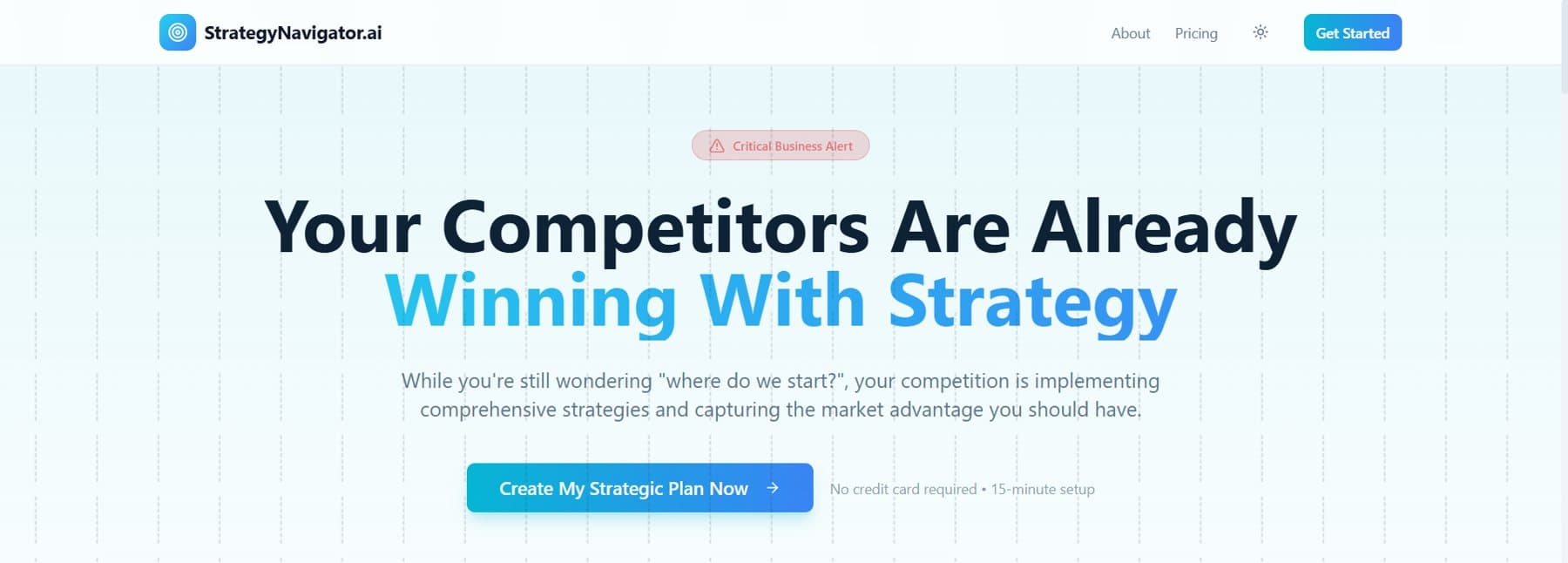
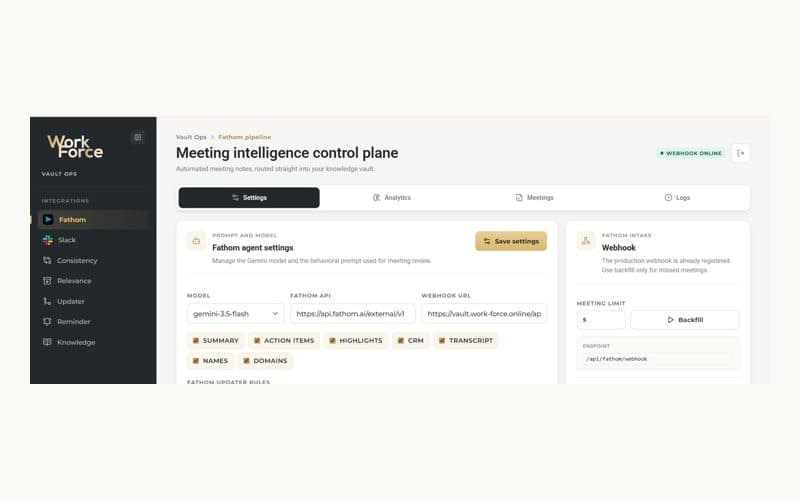
A multi-tenant strategy SaaS with RBAC, AI assistants, analytics, and billing. It gives teams one structured workspace for planning and tracking strategy instead of spreading decisions across slides, spreadsheets, and disconnected tools.
Project type
SaaS
Best for
Leadership teams managing strategy across disconnected tools
Outcome
One workspace for strategy execution
Core stack
React, Node.js, OpenAI API
Technology stack
React
Node.js
OpenAI API
TypeScript
01 — The challenge
Client challenge
Strategy teams were operating across a fragmented stack — slides in one place, spreadsheets in another, OKRs tracked in a third tool nobody kept updated. There was no single workspace where strategy could live, evolve, and be acted on. Every review cycle meant chasing status updates manually.
02 — What I built
What I built
I built a multi-tenant SaaS platform where strategy teams can plan, track, and adapt their work in one place. The platform includes role-based access control so each team member sees exactly what's relevant to them, AI assistants that surface insights and draft strategic content on demand, a billing integration to support subscription tiers, and an analytics layer that tracks progress across goals and initiatives.
Multi-tenant architecture with full team and workspace isolation
RBAC with granular permission levels across roles
AI assistant integration for strategy drafting and insight generation
Analytics dashboard tracking OKRs, milestones, and initiative health
React frontend with Node.js backend and OpenAI API
Inside the build
01 / 05
03 — The outcome
Measured outcomes
The platform shipped to production with active users running real strategy cycles through it. API throughput was optimized to handle concurrent team workloads without degradation. Teams replaced their fragmented tool stack with a single, structured workspace — and the AI layer cut the time spent writing strategy documents by a meaningful margin.